
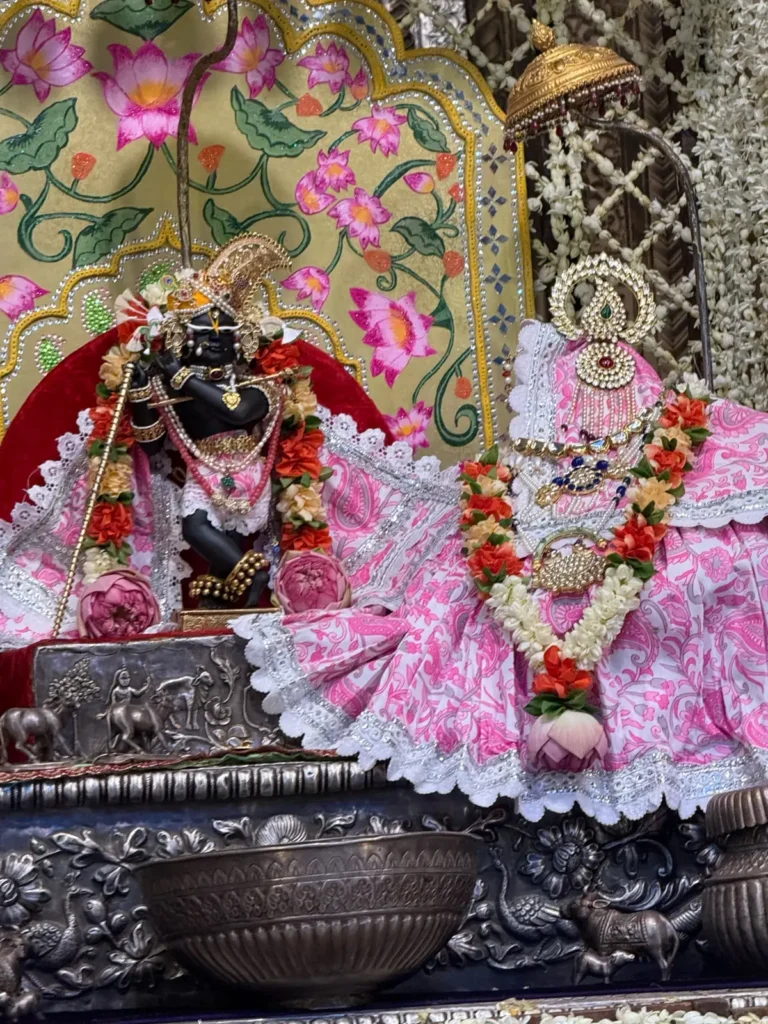
Quick answer: Vrindavan, about 12 km from Mathura in Uttar Pradesh, is the land where Lord Krishna spent his childhood with Radha and the gopis. Its most visited Radha Krishna temples include Banke Bihari, Radha Raman, Radha Vallabh, ISKCON Krishna Balaram Mandir and Prem Mandir. October to March offers the most comfortable weather, and temple timings change by season.
Who Are Radha and Krishna in Braj Bhakti?
In the devotional traditions of Braj, Krishna is worshipped as the beloved cowherd of Vrindavan, and Radha as the embodiment of pure, selfless love for him. Devotees rarely speak of one without the other. Greetings of “Radhe Radhe” fill the lanes of Vrindavan, and many temples here honour the divine couple together rather than Krishna alone.
The poets and saints of Braj, including Swami Haridas, Hit Harivansh Mahaprabhu and the Goswamis of Vrindavan, shaped this bhakti through songs, temple service and daily worship. Their traditions still guide how the deities are dressed, offered food and presented for darshan.
The Leelas of Vrindavan
Vrindavan is remembered as the setting of Krishna’s childhood leelas: grazing cows along the Yamuna, playing his flute in the groves, and the Raas Leela with Radha and the gopis on moonlit nights. Places across town are linked with these stories. Keshi Ghat on the Yamuna is associated with Krishna’s victory over the demon Keshi, and the evening Yamuna Aarti here draws devotees each day. The groves of Nidhivan and Seva Kunj are believed to be where the divine Raas still takes place at night.
Nearby, Mathura marks Krishna’s birthplace, Gokul his early childhood and Barsana the home of Radha. Together these places form the sacred land of Braj.
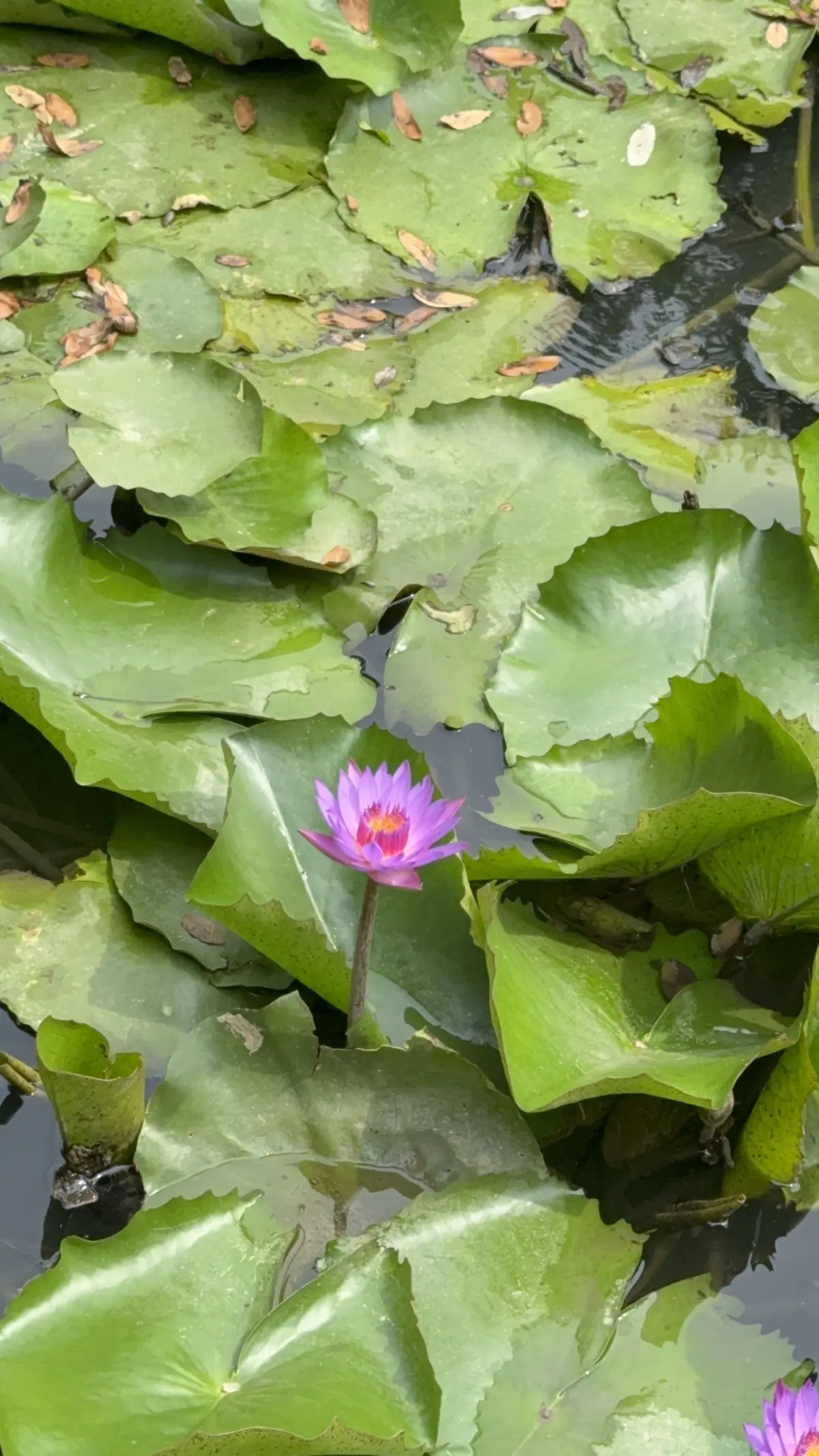
Major Radha Krishna Temples in Vrindavan
Banke Bihari Temple
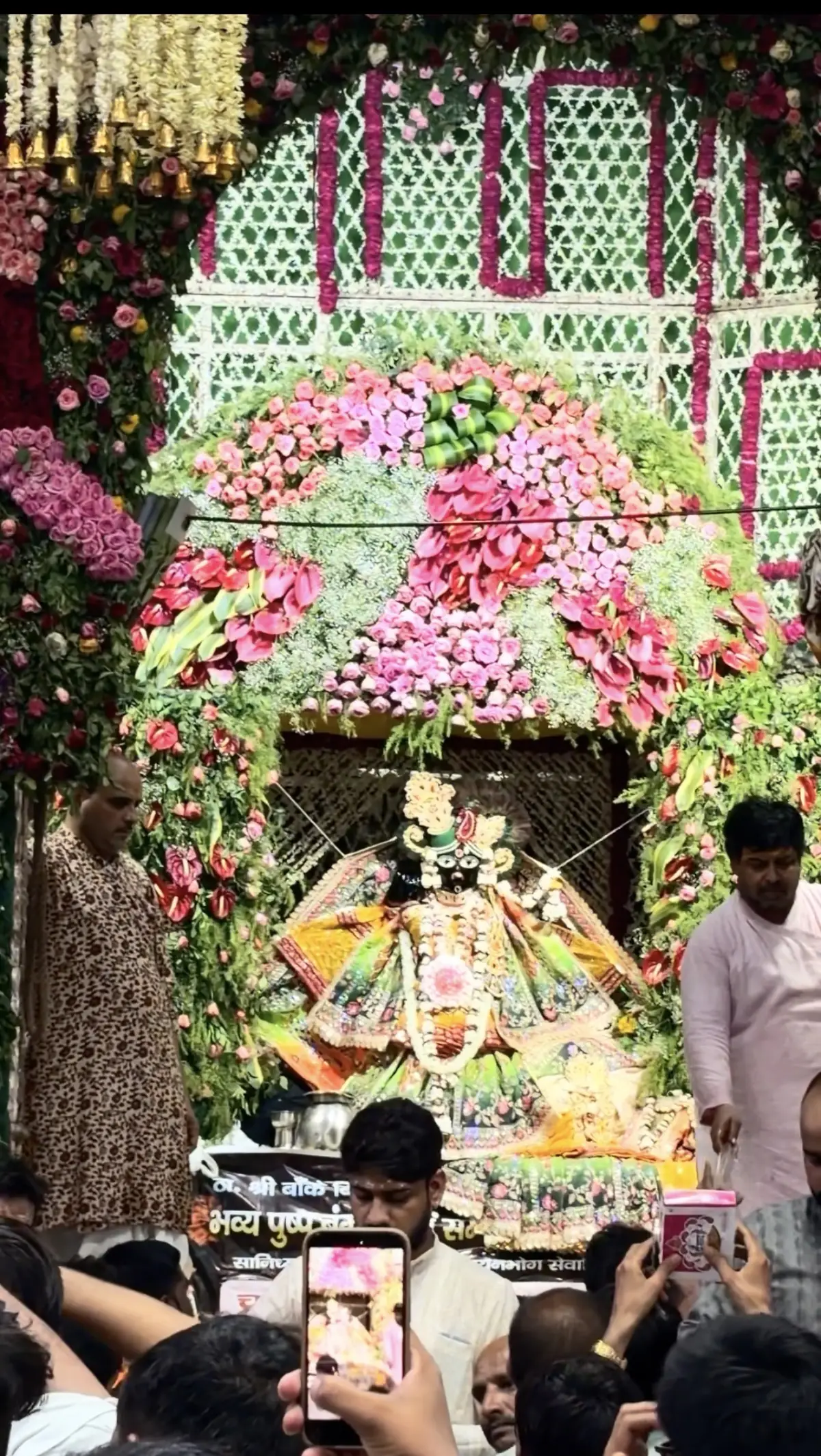
Banke Bihari Temple is among the most visited shrines in Vrindavan. The deity is associated with Swami Haridas, a saint and musician of the sixteenth century. A curtain is drawn across the shrine at short intervals during darshan, a tradition devotees cherish. Crowds are often very large, especially on weekends and festivals.
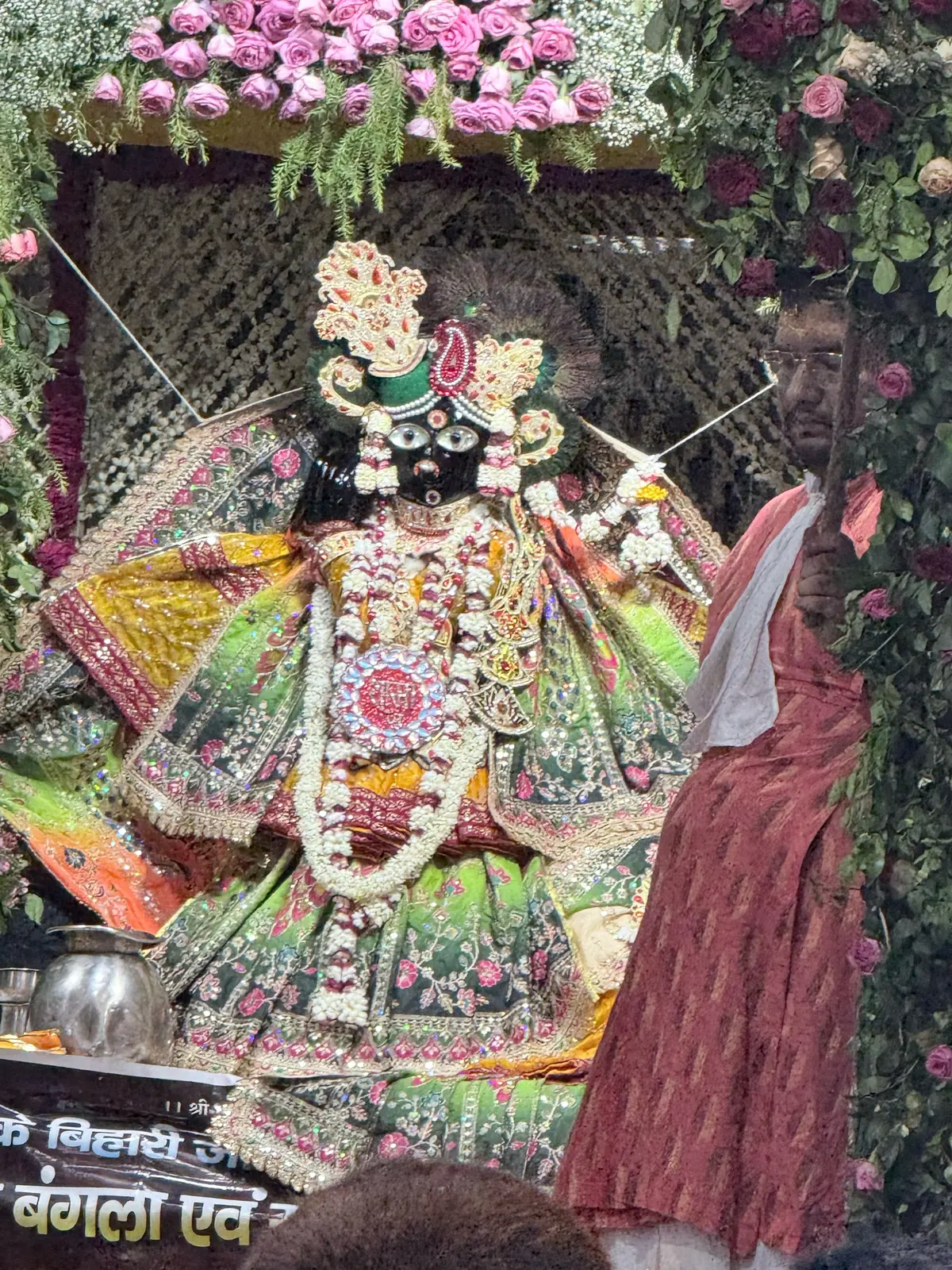
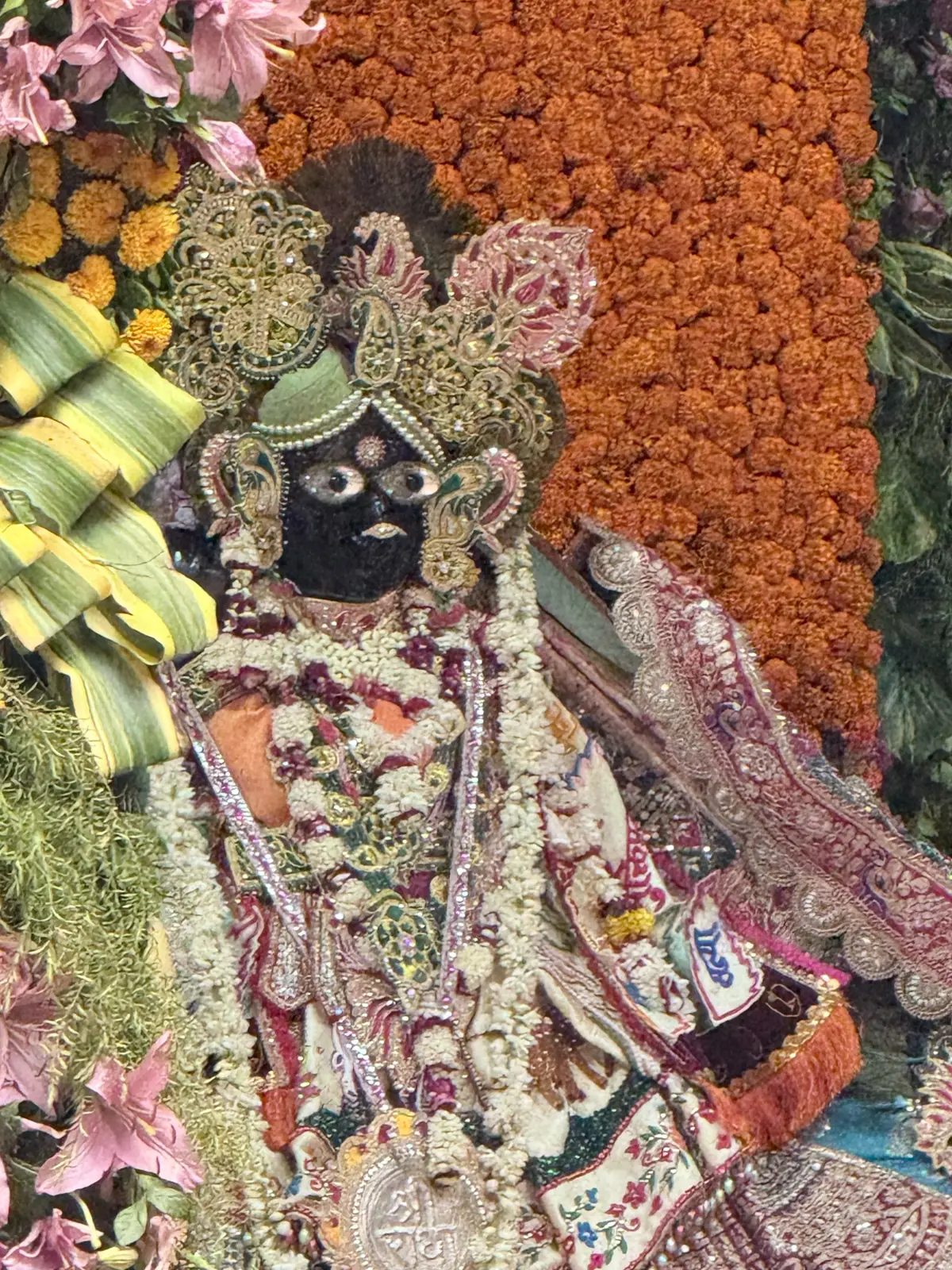
During the warmer months, the temple is known for its phool bangla, a flower bungalow built around the deity from fresh blooms. Priests and devotees create these elaborate floral canopies as a seva to keep Thakur ji cool and adorned, and each day’s design draws large numbers of devotees.
Radha Raman Temple
Radha Raman Temple is one of the seven principal temples of the Goswami tradition. Its deity is revered as having manifested from a shaligram stone worshipped by Gopal Bhatta Goswami in the sixteenth century. The temple is known for its graceful, traditional style of worship.
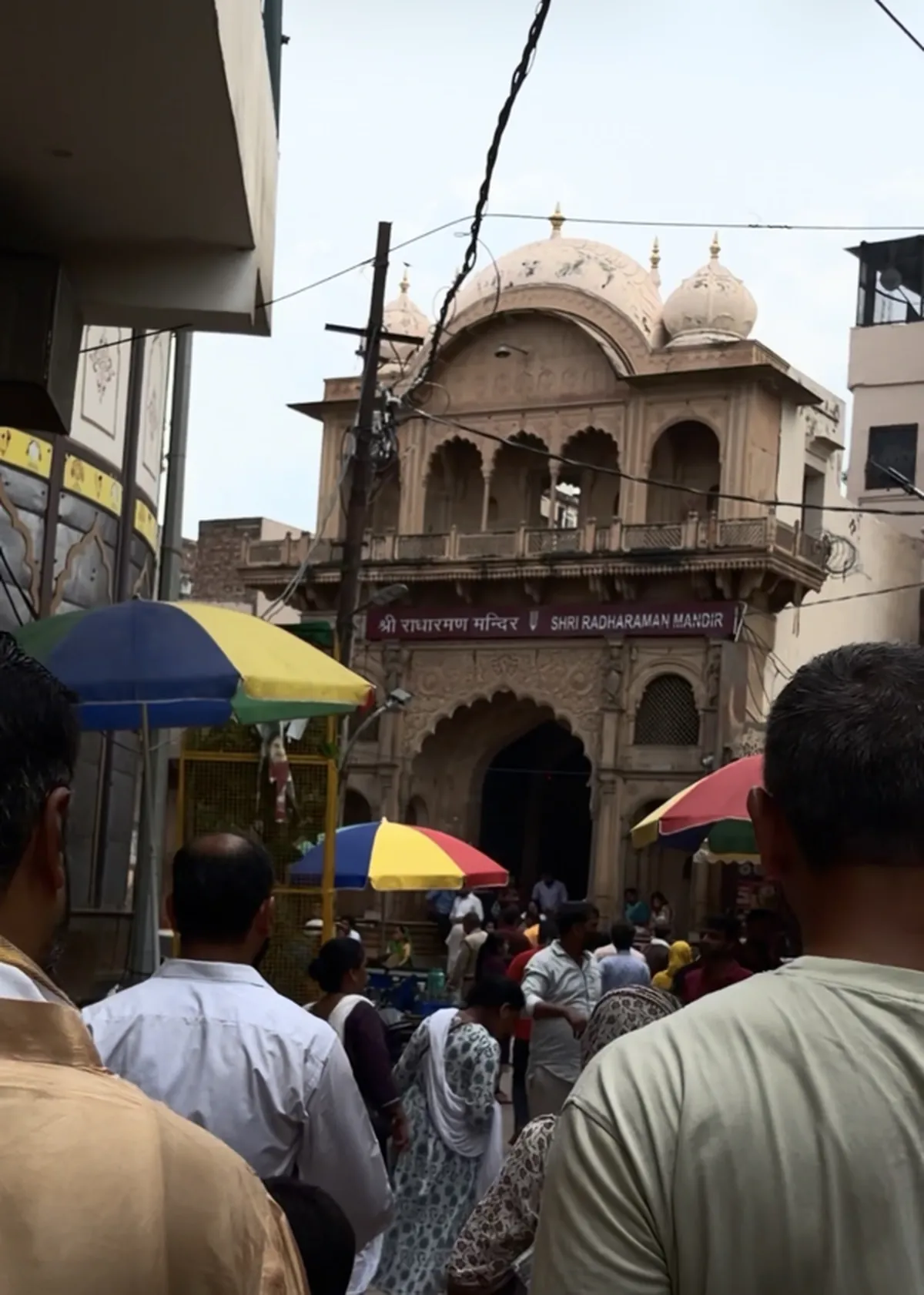
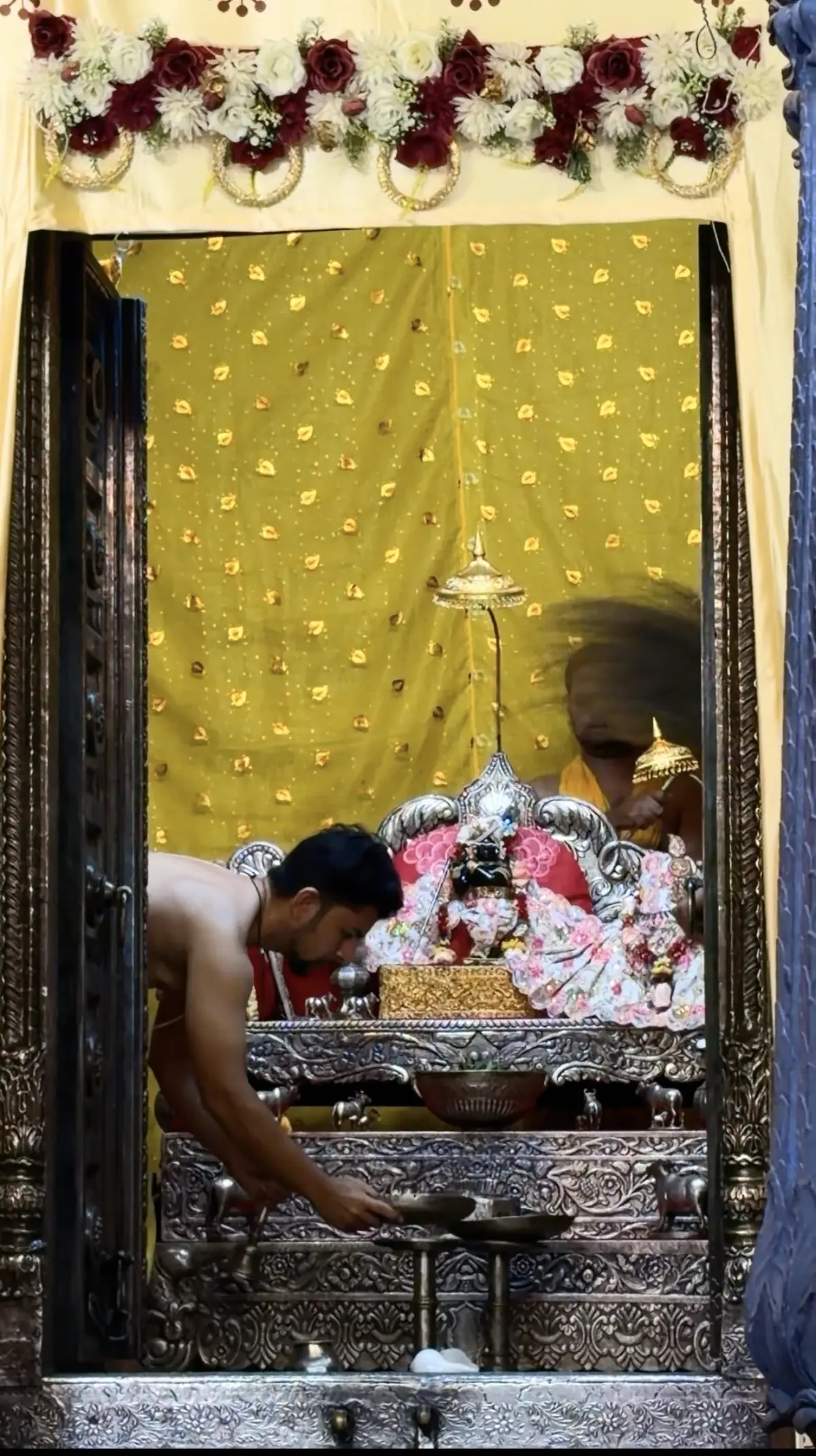
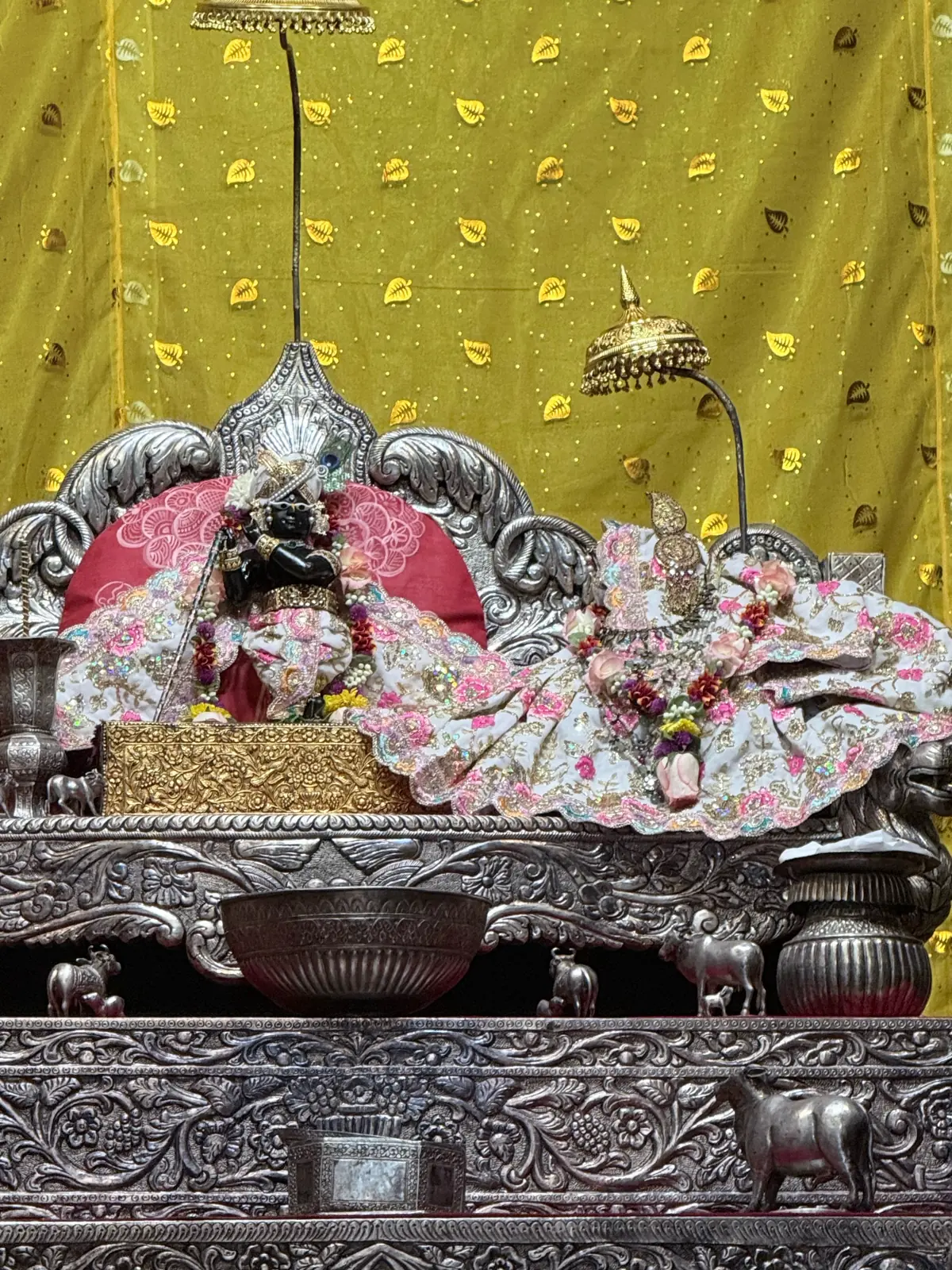
Throughout the day, priests perform seva for the deities, from offering bhog to fanning them with a chamar. Darshan opens and closes around these services, which is why timings shift through the day.
Radha Vallabh Temple
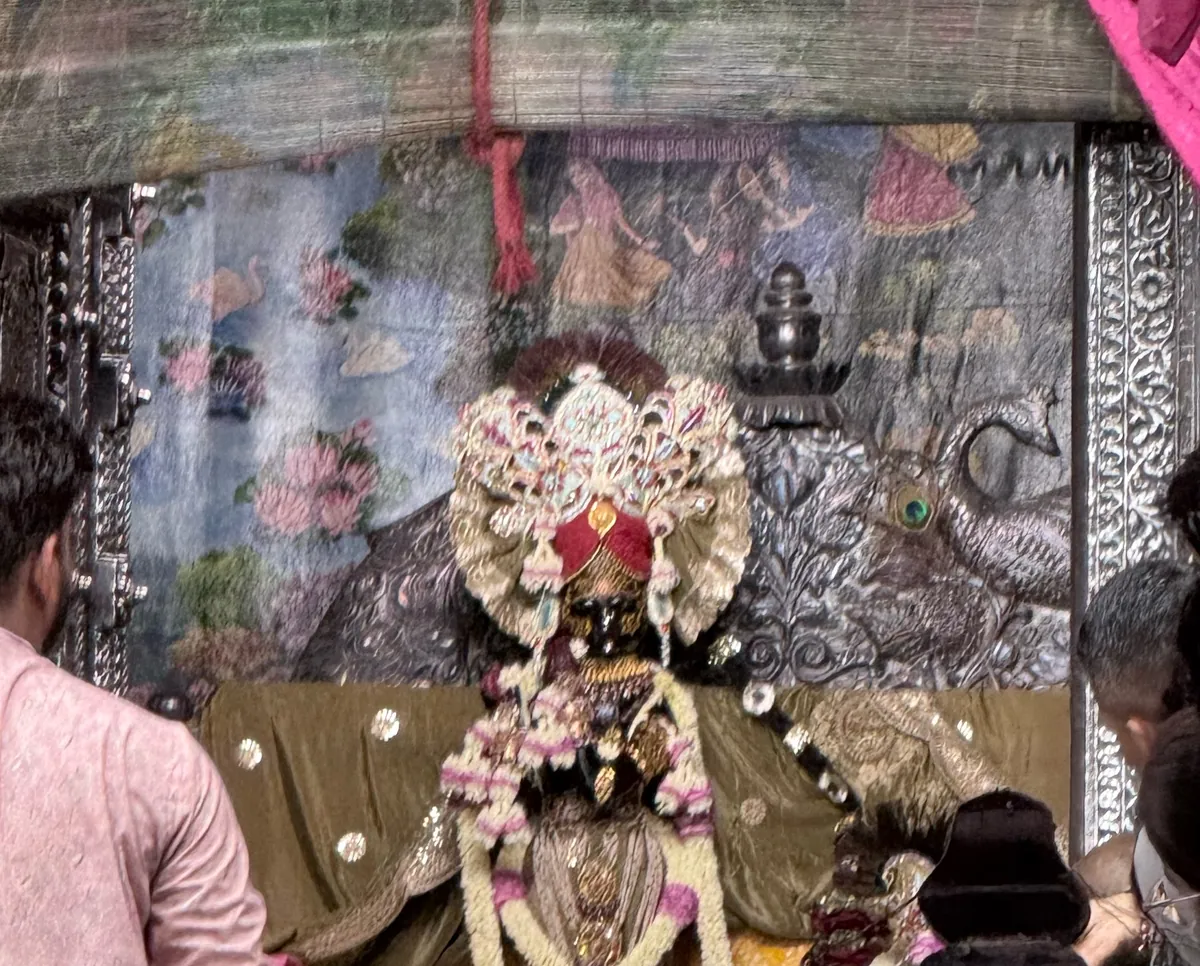
Radha Vallabh Temple was established in the tradition of Hit Harivansh Mahaprabhu. Here Radha Rani is revered as Shri Ji, honoured through a gaddi and crown beside Shri Radha Vallabh Lal rather than a separate idol, reflecting the belief that the two are inseparable. The shringar of Shri Ji, with its poshak, crown and garlands, is presented for darshan alongside Shri Radha Vallabh Lal.
ISKCON Krishna Balaram Mandir
The ISKCON temple in Raman Reti, opened in 1975, honours Krishna Balaram and Sri Radha Shyamasundar. It is known for its continuous kirtan and is home to the samadhi of Srila Prabhupada, founder of ISKCON.
Prem Mandir
Prem Mandir, built in white marble under Jagadguru Kripalu Maharaj, opened in 2012. Its carved walls depict Radha Krishna leelas, and the evening illumination and fountain show are a highlight for many visitors.
Nidhivan and Seva Kunj
Nidhivan and Seva Kunj are sacred groves with twisted tulsi trees. Devotees believe the Raas Leela continues here at night, so both are closed to visitors after evening. Visit during daylight hours.
Bhandir Van
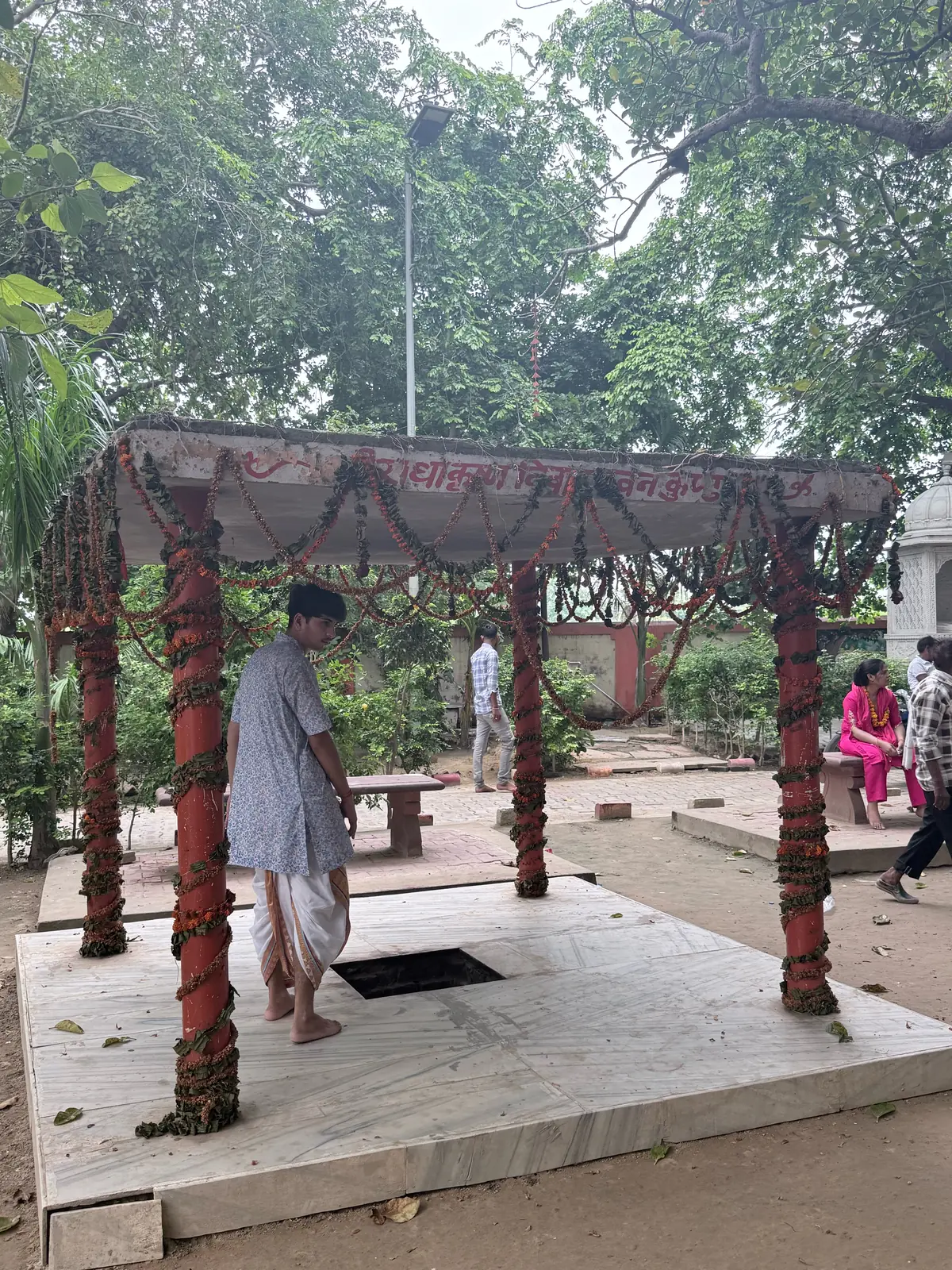
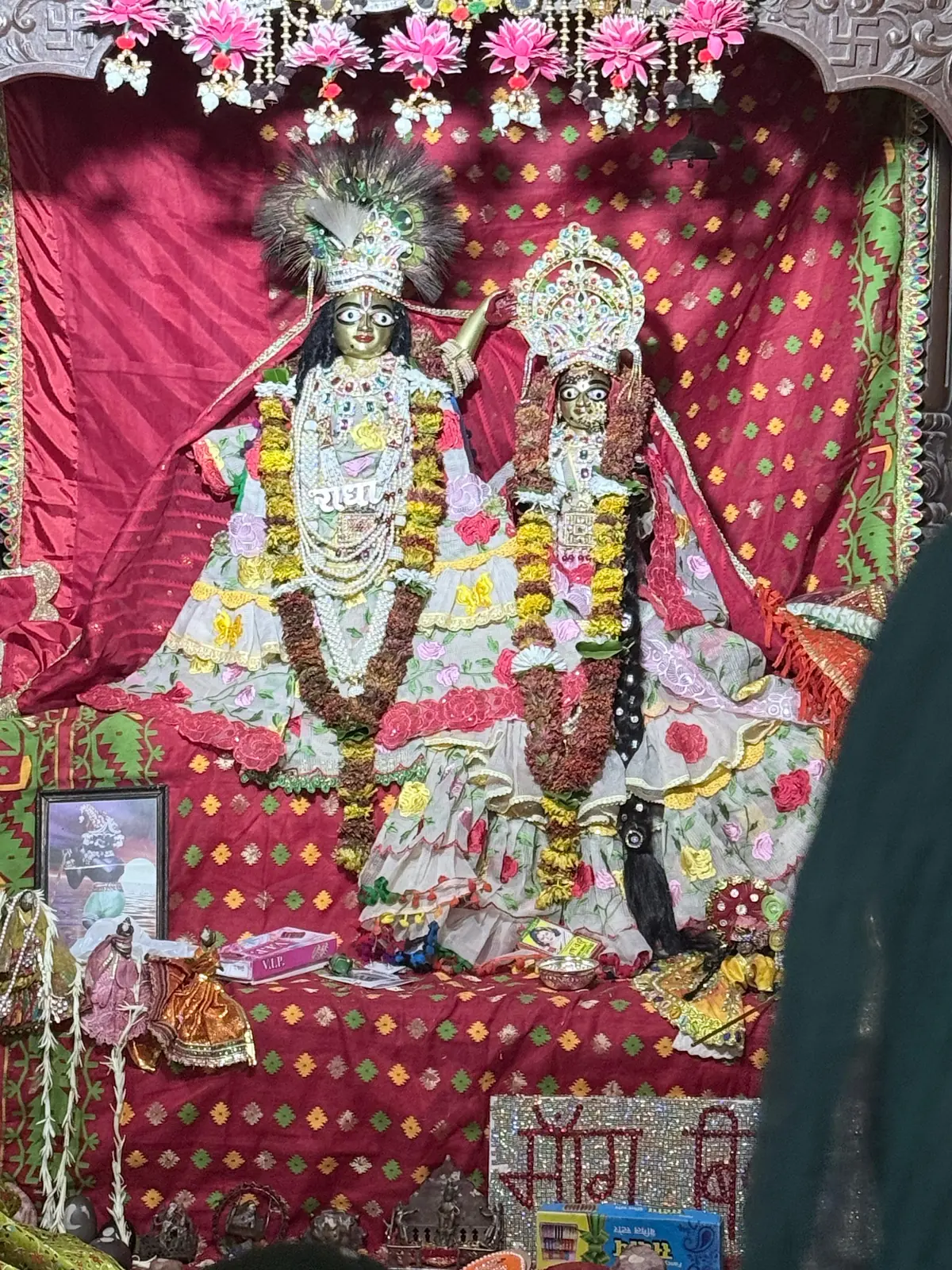
Bhandir Van lies across the Yamuna from Vrindavan, near Mant. In Braj tradition, this quiet grove is where the vivah of Radha and Krishna took place, and devotees believe Lord Brahma performed the ceremony. A garlanded pavilion marks the sacred spot, and the small temple here is revered as the only one depicting the marriage of Radha Krishna, with the divine couple shown together as bride and groom.
Timings: darshan and aarti timings at Vrindavan temples change with the season and on festival days. Check the current schedule close to your visit, or ask House of Ullassa to confirm timings for your travel date.
Shringar and Poshak: How the Deities Are Adorned
One of the most moving sights in Vrindavan is the daily shringar of the deities. Priests dress Sri Radha Krishna in a poshak, a set of clothing chosen for the season, the day and the festival. The photo at the top of this guide shows this tradition: Krishna in black stone with a peacock crown and flute, Radha in a pink and white floral poshak with gold ornaments, both framed by fresh flower garlands, a painted lotus backdrop and a silver altar.
Poshaks change through the year, with lighter fabrics in summer, warmer fabrics in winter and special designs on festivals. Many devotees in Vrindavan stitch or sponsor poshaks as an act of devotion, and markets near the major temples sell poshaks, flutes and crowns.
How to Plan a Darshan Visit
- Start early. Mornings are usually calmer at Banke Bihari and other busy temples.
- Combine nearby temples. Radha Raman and Radha Vallabh are close to Banke Bihari, while ISKCON and Prem Mandir are on the Chhatikara road side of town.
- Dress modestly and wear footwear that is easy to remove. Footwear is left outside temples.
- Carry photo ID and keep valuables to a minimum. Photography rules differ by temple, and many shrines do not permit photos inside.
- Keep Nidhivan and Seva Kunj for the daytime, and Prem Mandir for the evening illumination.
House of Ullassa arranges darshan planning and assistance on Vrindavan tours. Any special or VIP darshan arrangement is subject to temple authorisation and availability, and does not guarantee immediate entry or skip security checks and waiting times.
Best Time to Visit Vrindavan
October to March generally offers the most comfortable weather for temple visits and walking through Vrindavan’s lanes. Summer days are hot, and the monsoon months bring humidity. Vrindavan welcomes devotees throughout the year, so choose your dates around weather, crowds and the experience you wish to have.
Festivals in Vrindavan
Festivals are one way to experience Vrindavan, though a calm weekday visit offers its own joy.
- Janmashtami: the celebration of Krishna’s birth, with decorated temples and midnight celebrations in Vrindavan and Mathura.
- Holi: Braj celebrates Holi over several days, with famous celebrations in Barsana, Nandgaon and Vrindavan temples.
- Radhashtami: the appearance day of Radha, celebrated with great devotion in Barsana and Vrindavan.
These dates draw very large crowds, so book early and allow extra time for travel, security checks and darshan.
Tips for Senior Travellers
- Choose a hotel close to the main temples to reduce walking.
- Plan one or two temples per session with rest in between.
- Visit busy temples on weekday mornings.
- Use e rickshaws for short distances through the narrow lanes.
- Share any mobility requirements before booking so the itinerary is planned around them.
Walking, security checks and waiting times may still be involved at every temple.
How House of Ullassa Arranges Your Vrindavan Visit
House of Ullassa arranges Vrindavan tours with hotels, transfers, local guides and darshan planning. Explore all Vrindavan tour packages or the wider Lord Krishna tour collection. Popular options include:
- 2 Day Mathura Vrindavan Tour: Janmabhoomi to Prem Mandir Darshan
- Delhi Mathura Vrindavan Delhi (2N:3D)
- Delhi Mathura Delhi (2N:3D) Krishna Janmabhoomi Yatra
- Delhi to Mathura Vrindavan Agra Tour Package (3N/4D)
- Janmashtami in Vrindavan
To plan a customised Radha Krishna pilgrimage, contact House of Ullassa on WhatsApp.
Frequently Asked Questions
Which are the main Radha Krishna temples in Vrindavan?
The most visited Radha Krishna temples in Vrindavan include Banke Bihari Temple, Radha Raman Temple, Radha Vallabh Temple, ISKCON Krishna Balaram Mandir and Prem Mandir. The sacred groves of Nidhivan and Seva Kunj are also closely linked with Radha Krishna leelas.
How is Radha Rani honoured at Radha Vallabh Temple?
At Radha Vallabh Temple, founded in the tradition of Hit Harivansh Mahaprabhu, Radha Rani is revered as Shri Ji through a gaddi and crown beside Shri Radha Vallabh Lal. The shringar of Shri Ji is presented for darshan, reflecting the belief that Radha and Krishna are inseparable.
What are the darshan timings at Banke Bihari Temple?
Darshan timings at Banke Bihari Temple change with the season and on festival days. Check the current schedule close to your visit. House of Ullassa confirms timings for your travel date when planning your tour.
What is the best time to visit Vrindavan?
October to March generally offers comfortable weather for temple visits. Janmashtami, Holi and Radhashtami are special times to visit, though they draw very large crowds, so book early and allow extra time for darshan.
Does House of Ullassa arrange Vrindavan tours from Delhi?
Yes. House of Ullassa offers Vrindavan tours from Delhi, including three day Mathura Vrindavan itineraries and a package that adds Agra. Hotels, transfers, local guides and darshan planning are arranged depending on the package.
Where did Radha and Krishna marry?
In Braj tradition, the vivah of Radha and Krishna took place at Bhandir Van, a sacred grove across the Yamuna from Vrindavan near Mant. Devotees visit the vivah sthal and the temple there, which is revered as the only one depicting the marriage of Radha Krishna.