
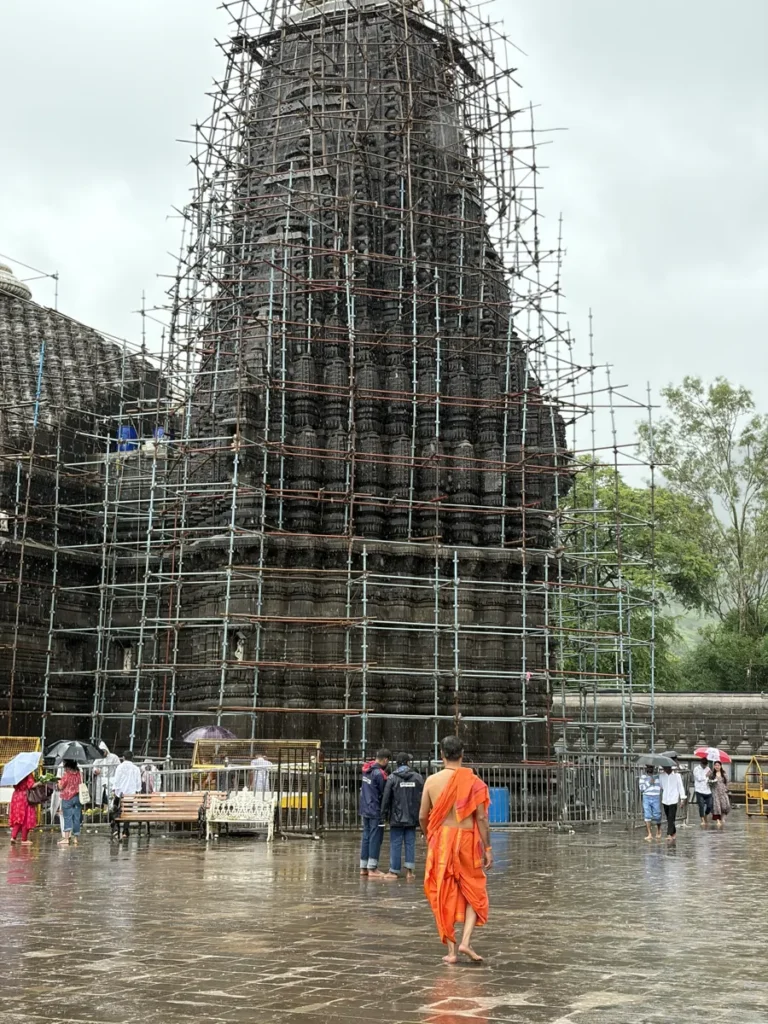
Quick answer: Nashik Simhastha Kumbh Mela opens with Dhwajarohan on 31 October 2026 at Ramkund in Nashik and Kushavart Tirth in Trimbakeshwar. The Amrit Snan days are 2 August and 31 August 2027 at both places, then 11 September 2027 in Nashik and 12 September 2027 in Trimbakeshwar. House of Ullassa plans Nashik and Trimbakeshwar pilgrimages around these dates.
Planning a journey to Nashik Simhastha begins with choosing the right occasion. The opening ceremony, akhara events and principal bathing days take place on different dates. A visit for Dhwajarohan offers a different experience from a pilgrimage timed around Amrit Snan.
The authority’s published Kumbh Mela Plan (first edition, 15 June 2026) is marked interim and subject to revision. Recheck official announcements before confirming travel. Schedule last checked: 29 October 2026.
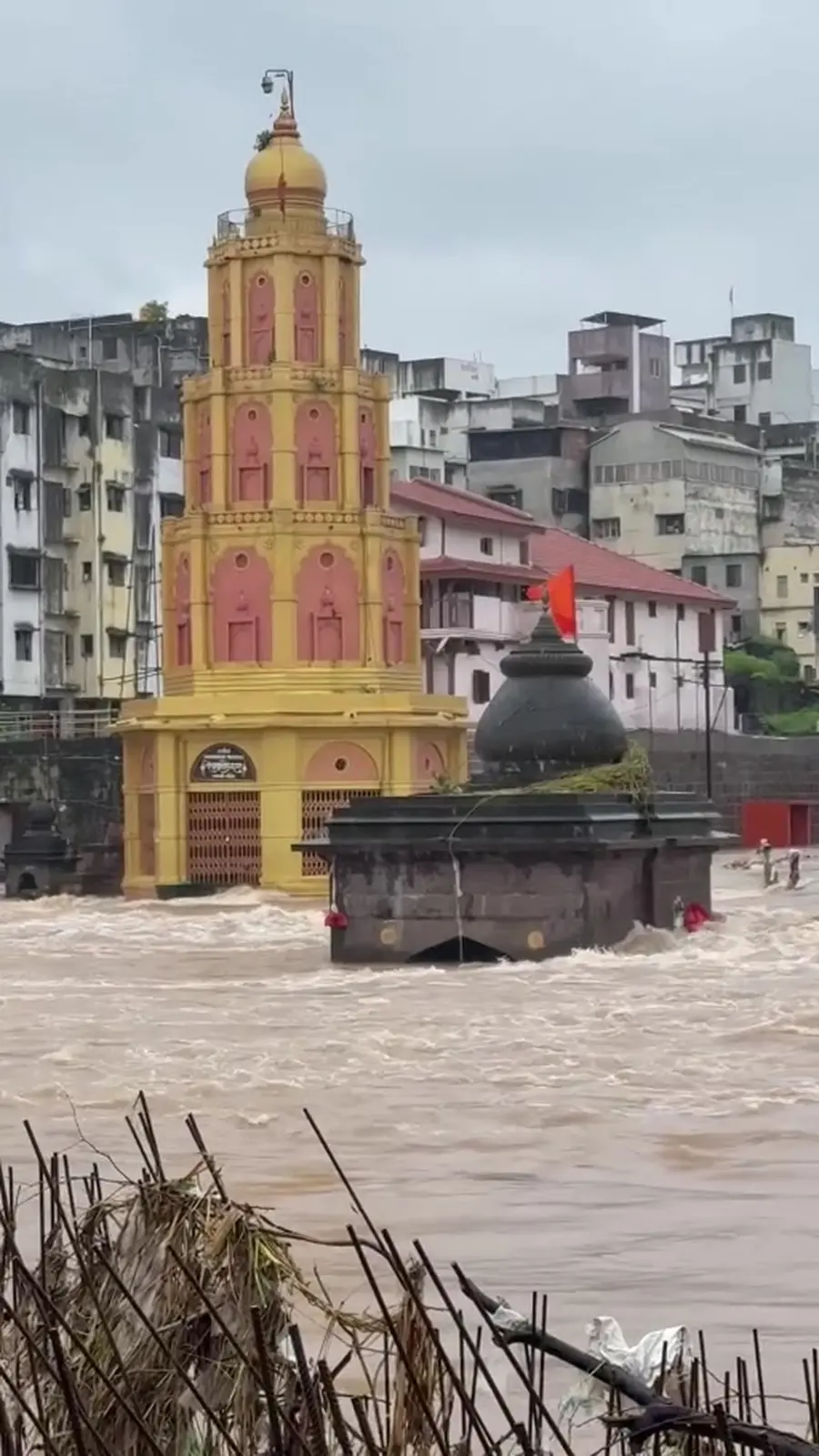
Nashik Simhastha Important Dates
| Date | Occasion | Location |
|---|---|---|
| 31 October 2026 | Opening Dhwajarohan (flag hoisting) | Nashik and Trimbakeshwar |
| 24 July 2027 | Akhara flag hoisting | Sadhugram, Nashik |
| 29 July 2027 | Nagar Pradakshina (procession, not a bathing day) | Nashik |
| 2 August 2027 | First Amrit Snan | Nashik and Trimbakeshwar |
| 31 August 2027 | Second Amrit Snan | Nashik and Trimbakeshwar |
| 11 September 2027 | Third Amrit Snan | Nashik |
| 12 September 2027 | Third Amrit Snan | Trimbakeshwar |
| 24 July 2028 | Simhastha closing ceremony | Trimbakeshwar |
| 29 July 2028 | Simhastha closing ceremony | Nashik |
The bathing and closing dates come from the Kumbh Mela Plan. The Nagar Pradakshina date follows the programme announced at the Chief Minister’s meeting with the akharas in June 2025 (PTI report).
Why Does Nashik Kumbh Begin in 2026 if the Main Baths Are in 2027?
The wider Simhastha observance includes ceremonial milestones beyond the main bathing days. The opening flag ceremony marks the beginning of the period, and the principal bathing gatherings follow later. Every day between the opening and closing dates does not share the same programme, crowd levels or visitor arrangements. Choose a specific occasion first, then build the itinerary around it.
Nashik or Trimbakeshwar: Where Should You Go?
Nashik and Trimbakeshwar are distinct pilgrimage locations. Ramkund and the Godavari ghats are central to the Nashik experience, while Kushavart Tirth is the sacred bathing kund in Trimbakeshwar.
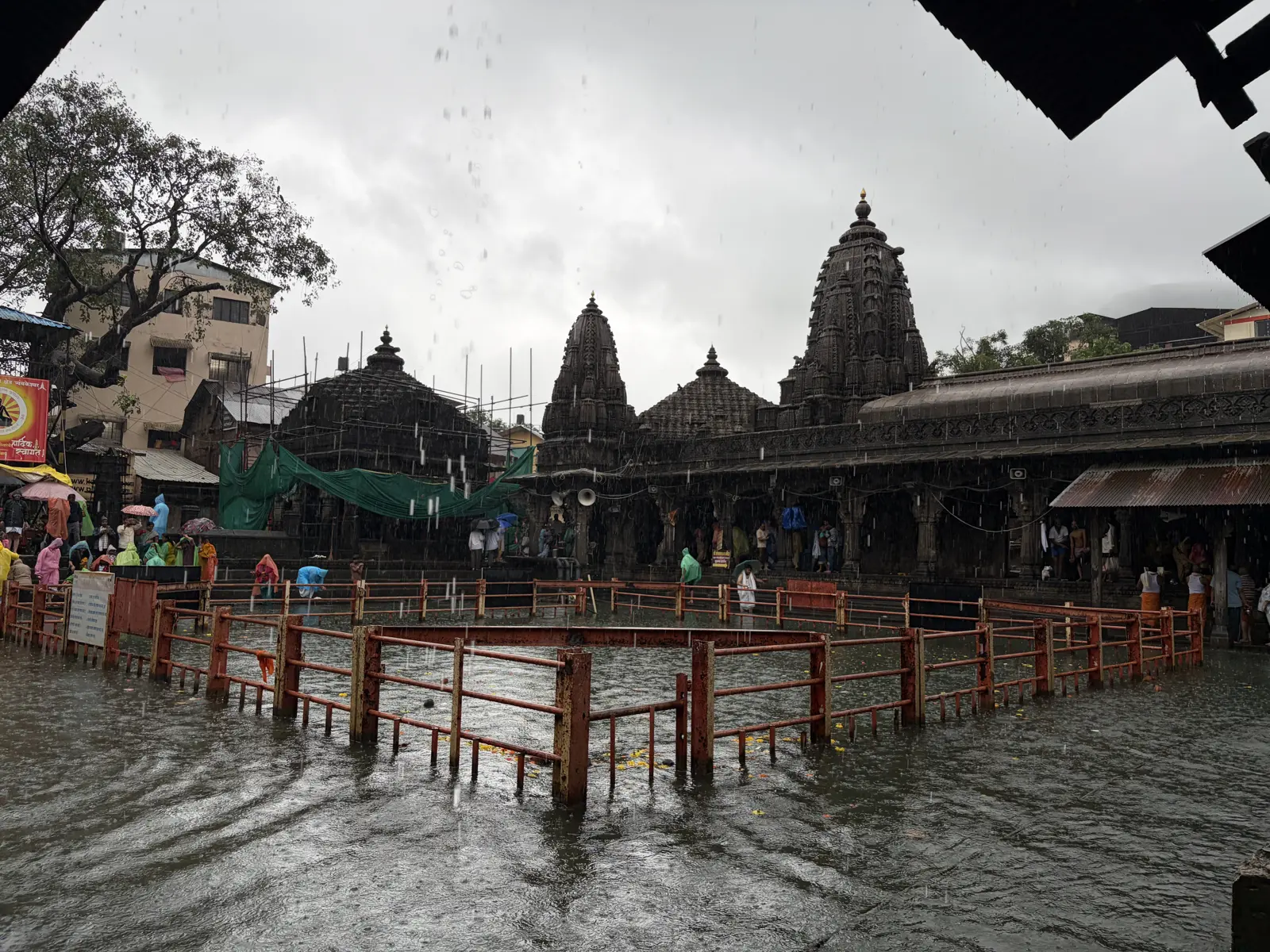
A Trimbakeshwar visit also allows time for darshan at Shri Trimbakeshwar Temple, one of the twelve Jyotirlingas (see our 12 Jyotirlingas guide and Jyotirlinga Yatra tours). Bathing access and temple darshan are separate arrangements. Read more in Maharashtra Tourism’s Nashik guide and our Trimbakeshwar and Nashik circuit blog.
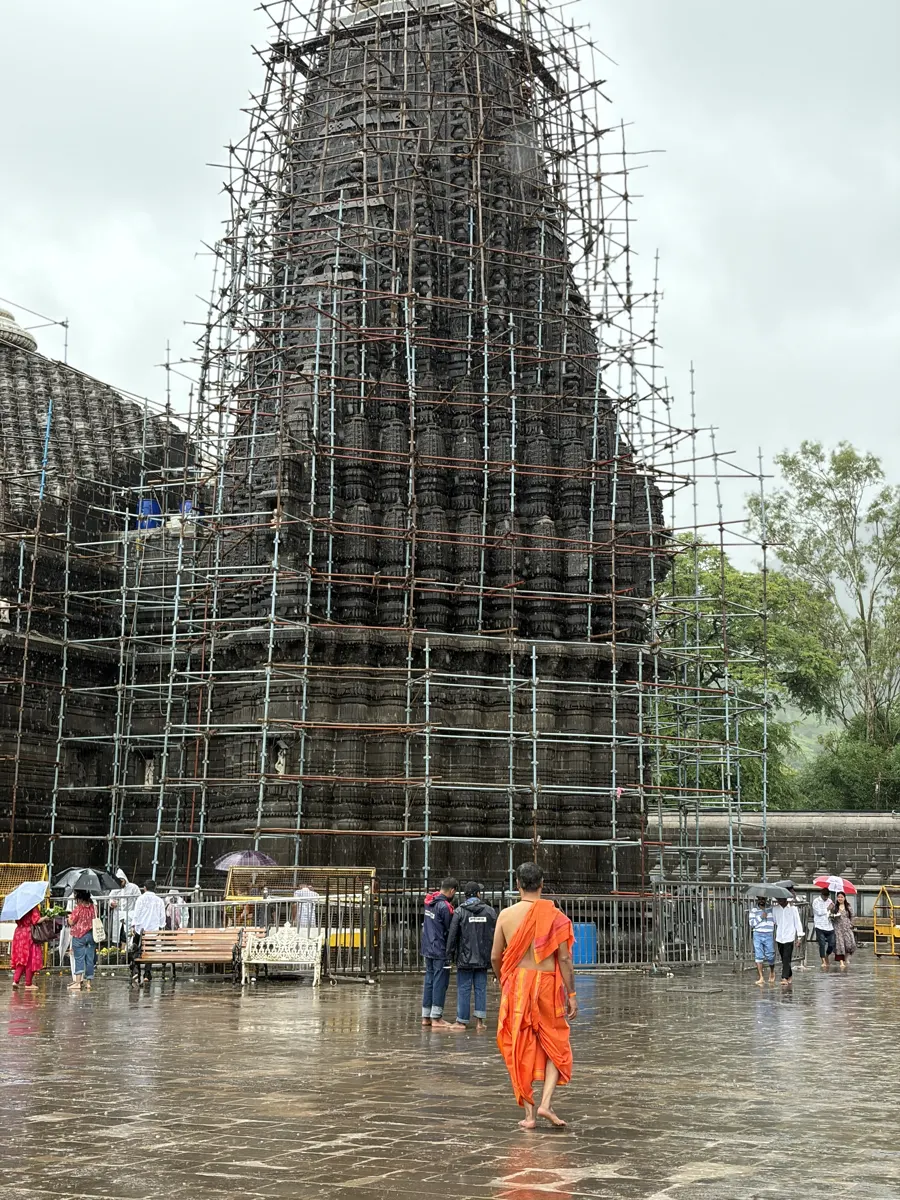
If the third Amrit Snan is your priority, note the different dates for the two places. Allow sufficient time between visits rather than treating them as interchangeable stops.
Choosing Dates for Families and Senior Travellers
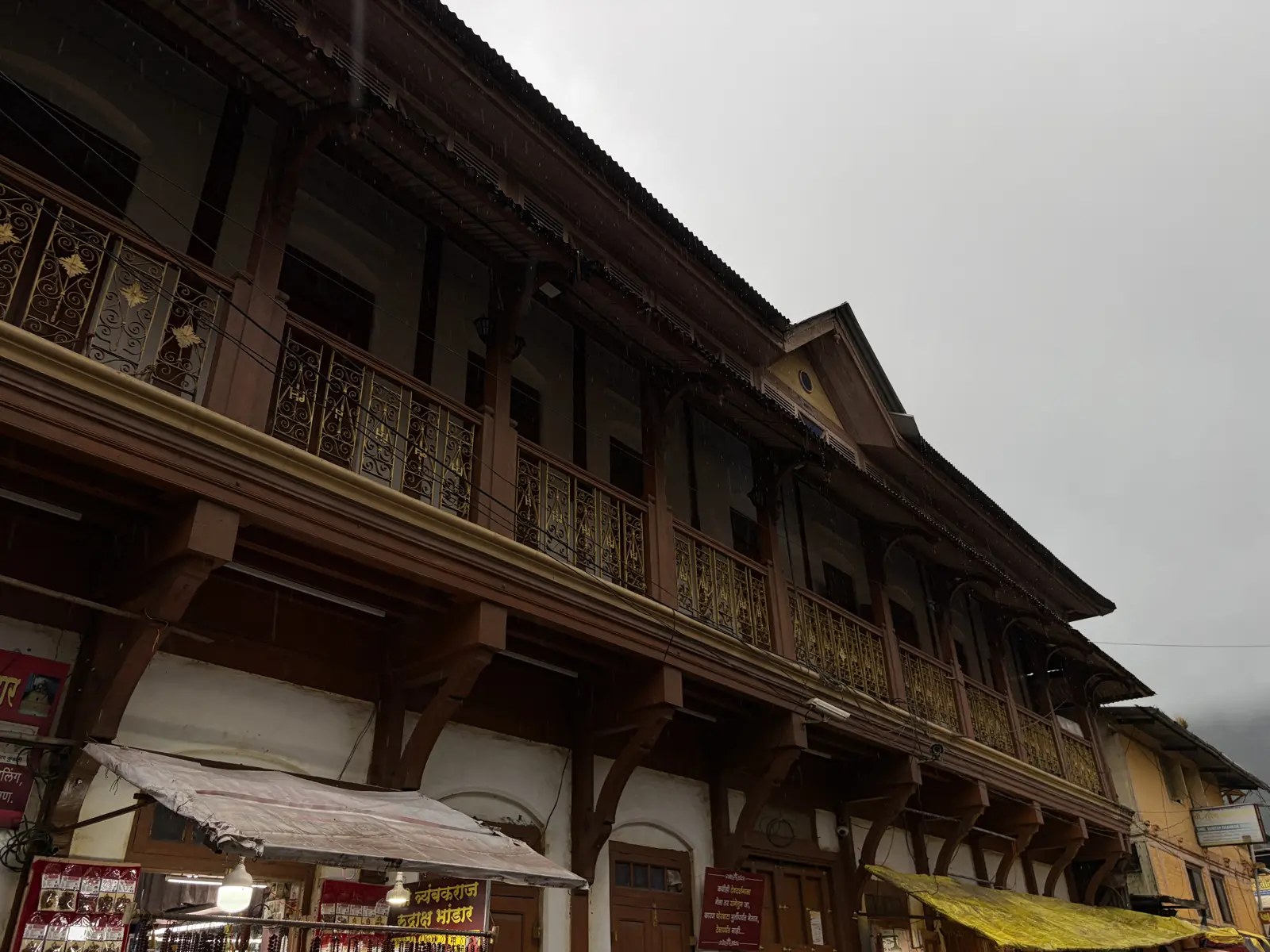
Major bathing days bring the strongest demand for accommodation and intensive crowd management. When choosing dates, consider how much walking, waiting and time in crowds your group is comfortable with.
For an itinerary centred on temple visits, consider travel outside the principal bathing days. A quieter date still needs checking against other religious events and local arrangements. House of Ullassa also plans senior citizen tours at an easier pace.
The main bathing dates fall during the monsoon season. Pack footwear with a firm grip and waterproof protection for phones and documents. Allow flexibility for weather and follow local guidance near the river.
What Should You Confirm Before Booking?
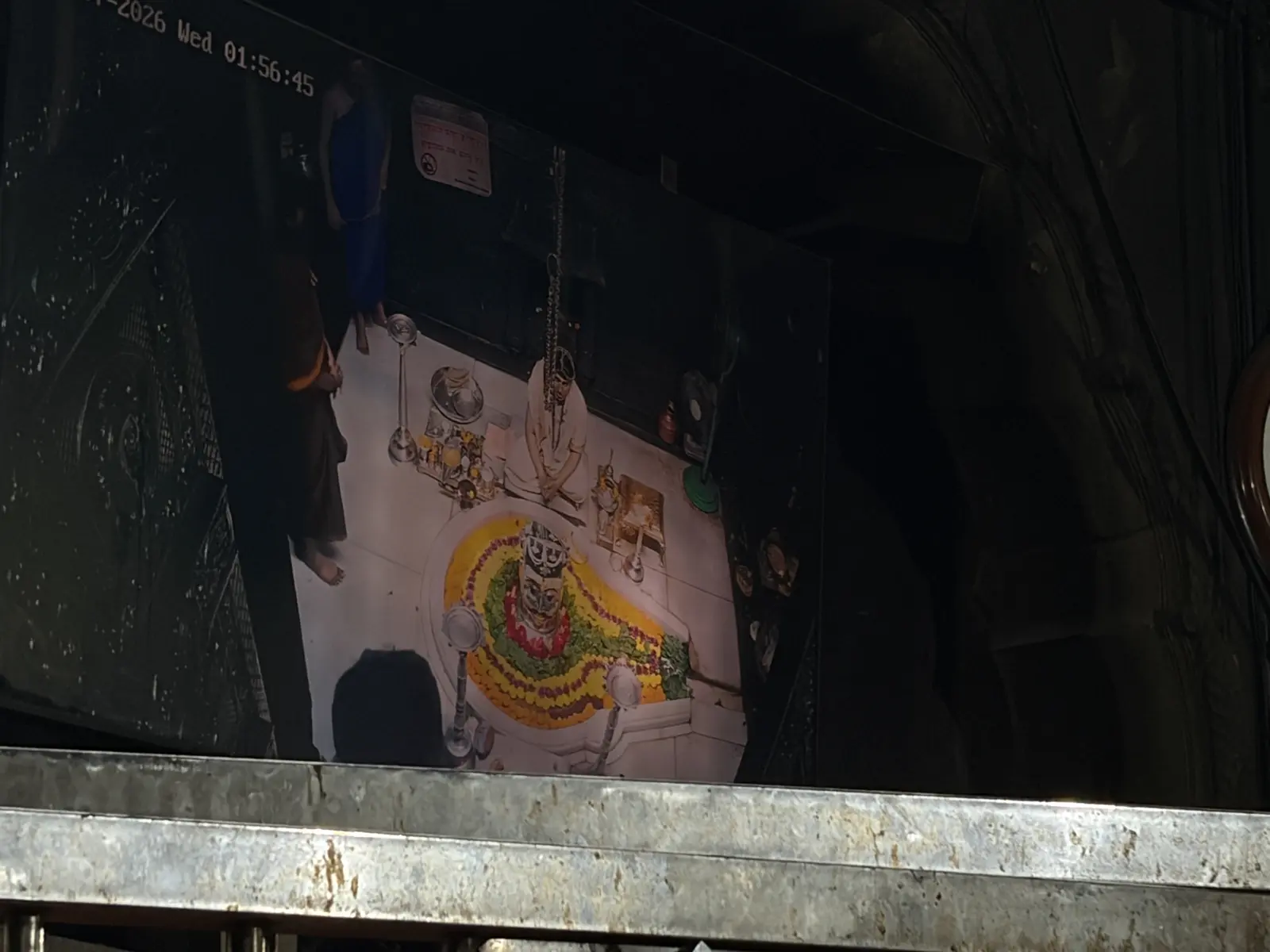
Ask for written details of your hotel, room category, arrival transfer, local transport and included assistance. Confirm which day is allocated to bathing and which to temple visits.
A tour booking does not itself grant access to restricted bathing areas or participation in akhara processions. Public entry, bathing windows and vehicle access follow the authorities’ arrangements. Any special darshan arrangement is subject to temple authorisation and availability, and does not guarantee immediate entry or skip security checks and waiting times. Check cancellation terms before making payments, especially when your plans depend on a particular ceremony.
For transport, parking, stays and darshan planning, read our Nashik Kumbh Mela 2027 travel guide.
Plan Your Pilgrimage with House of Ullassa
Share your departure city, preferred occasion, number of travellers, accommodation preference and mobility requirements with House of Ullassa. The proposed itinerary and quotation will specify the services offered and the arrangements confirmed at booking.
Explore these House of Ullassa tours:
- Nashik and Trimbakeshwar Jyotirlinga Darshan, 2 Day Pilgrimage Tour
- Jyotirlinga Yatra Maharashtra: Trimbakeshwar, Grishneshwar and Bhimashankar
- Trimbakeshwar Jyotirlinga, Shirdi and Shani Shingnapur, 3 Days
Festival departures need a separate itinerary and confirmation; see our Festival Tour packages.
Message House of Ullassa on WhatsApp to plan your Nashik and Trimbakeshwar pilgrimage.
Frequently Asked Questions
When does Nashik Simhastha Kumbh Mela start?
The opening Dhwajarohan is scheduled for 31 October 2026 at Ramkund in Nashik and Kushavart Tirth in Trimbakeshwar. The principal bathing days follow in 2027.
What are the Nashik Kumbh Mela 2027 Amrit Snan dates?
The first two Amrit Snan dates are 2 August and 31 August 2027 at both places. The third is 11 September 2027 in Nashik and 12 September 2027 in Trimbakeshwar. These baths were earlier called Shahi Snan.
When does the Simhastha period end?
The published plan lists closing ceremonies on 24 July 2028 at Trimbakeshwar and 29 July 2028 at Nashik. Check later official announcements before planning attendance.
Where do devotees bathe during Nashik Simhastha?
The main bathing places are Ramkund and the Godavari ghats in Nashik, and Kushavart Tirth in Trimbakeshwar. Use designated public access points and follow the bathing arrangements announced locally.
Does a package include access to akhara bathing ceremonies?
No. A package does not automatically provide restricted access or participation in an akhara procession. Confirm the viewing and bathing arrangements in your itinerary before booking. Access remains subject to administrative directions.
Is the pilgrimage suitable for senior citizens?
Yes, with the right dates and pace. Suitability depends on mobility, travel dates and itinerary demands. Share your requirements with House of Ullassa before booking so hotel location, walking distances and rest periods are planned in.